Nashville has a reputation problem. Most people picture cowboy boots, bachelorette parties, and neon signs — and sure, that’s part of it. But the city that built its name on country music also has quiet hiking trails nine miles from downtown, a full-scale replica of the Parthenon, and neighborhoods where nobody’s wearing boots at all.
Things to do in Nashville range from free live music on Lower Broadway to museum-quality history at the Country Music Hall of Fame, hot chicken at Hattie B’s, hiking at Radnor Lake, and neighborhood exploring in East Nashville or 12 South — with most core attractions concentrated downtown and reachable on foot.
What Makes Nashville Worth Visiting
Nashville earned the nickname Music City honestly. It’s the headquarters of the country music industry, the home of the Grand Ole Opry, and a place where you genuinely can’t walk a full block downtown without hearing a live band. But the city has grown past its Broadway strip. East Nashville has its own restaurant scene and mural walk. Germantown has some of the best brunch in the South. And the outer parks — Radnor Lake, Percy Warner — feel like they belong to a different city entirely.
If you’re planning a trip, the honest answer is that you need at least two to three days to see the essentials without rushing, and closer to five if you want to get outside downtown.
Broadway and the Honky-Tonk Scene
Lower Broadway is where most first-time visitors start, and for good reason. The strip runs a few blocks through downtown, lined with honky-tonks that open around 10 a.m. and don’t close until 3 a.m. — live music runs nearly around the clock, seven days a week.
A few things worth knowing before you go:
- No cover charges. Legitimate honky-tonks don’t charge to walk in. If someone’s asking for an entry fee, that’s not a real Broadway bar — walk away.
- Tip the band. Musicians work for tips, not a salary. A dollar or two per song, dropped in the jar near the stage, is standard.
- Drinks run $7–$14 depending on the venue and what you’re ordering.
- Multiple floors, multiple bands. Spots like Tootsie’s Orchid Lounge have live music on every level simultaneously, so you can bar-hop vertically without leaving the building.
Other names to know along the strip: Robert’s Western World (known for fried bologna sandwiches and classic honky-tonk sound), Friends in Low Places, Casa Rosa, and Wildhorse Saloon for line dancing. If you want a jazzier, less touristy vibe, duck one block over to Printer’s Alley.
Quick takeaway: Go early afternoon if you want to actually hear the music over the crowd — after 8 p.m., Broadway gets loud and packed fast.
Country Music Landmarks You Shouldn’t Skip
This is where Nashville earns its “Music City” title on paper, not just in atmosphere.
Country Music Hall of Fame and Museum
Budget around two hours here. The collection covers the genre from its earliest recordings through modern crossovers, and yes, there’s a genuine Elvis Cadillac. Tickets run around $30 for adults, and it’s worth combining with a guided tour of RCA Studio B, the recording studio where Elvis, Dolly Parton, and a long list of legends actually cut records.
Ryman Auditorium
Nicknamed the “Mother Church of Country Music,” the Ryman was the original home of the Grand Ole Opry before the show moved to its current venue. A self-guided tour costs about $25 and takes roughly an hour — worth it even if you can’t catch a live show, since you can stand on the same stage where Johnny Cash and Patsy Cline performed.
Grand Ole Opry
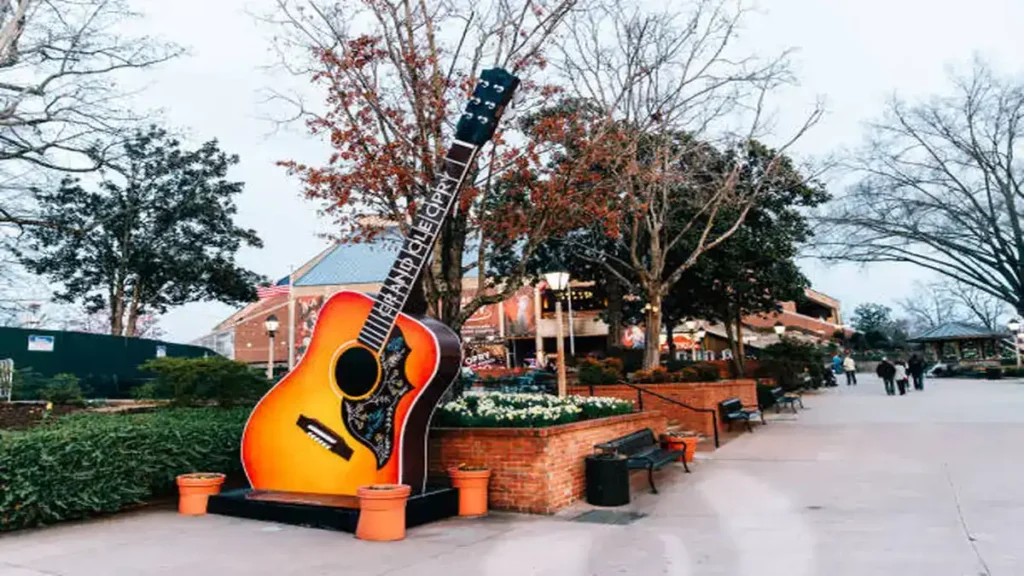
The Opry itself now performs in the Opryland area, about eight miles from downtown, which means you’ll need a rideshare or car to get there. Shows run several nights a week and mix country legends with rising stars in a two-hour set. Book ahead — Opry tickets sell out weeks in advance, especially around CMA Fest season.
RCA Studio B and the Johnny Cash Museum
Studio B is a working piece of recording history, and the Johnny Cash Museum (tucked right behind the Ryman) houses his stage outfits, personal items, and a wall of gold records. Both are easy to slot into a Broadway day since they’re within walking distance of the honky-tonk strip.
Neighborhoods Worth Leaving Broadway For
This is genuinely the most underrated part of visiting Nashville, and it’s where most guides fall short. Downtown is fun for a night or two, but the neighborhoods are where the city actually lives.
- East Nashville: Independent restaurants, coffee shops, mural walks, and a noticeably more local crowd than Broadway.
- 12 South: Boutique shopping and photogenic storefronts — this is the neighborhood behind most of the Instagram shots you’ve seen of Nashville.
- Germantown: Historic brick buildings, some of the city’s best brunch spots, and a quieter pace.
- The Gulch: A newer, more polished district with rooftop bars and modern architecture, walkable from downtown.
If you only have one full day, you won’t get to all of these — but pick at least one to break up a Broadway-heavy itinerary.
Parks and Outdoor Spaces
Nashville’s outdoor side rarely makes the “best of” lists, which is a real gap, because it’s one of the better reasons to extend your trip.
- Centennial Park houses a full-scale replica of the Parthenon, complete with a 42-foot statue of Athena inside. It’s free to walk the grounds; there’s a modest admission fee to go inside.
- Radnor Lake State Park sits about nine miles from downtown and offers six hiking trails through genuinely quiet forest — a sharp contrast to Broadway’s noise.
- Cheekwood Estate & Gardens combines botanical gardens with a historic mansion tour; seasonal events like the spring bloom festival are worth timing your trip around.
- Percy Warner Park is a favorite for locals who want a longer trail run or bike ride without leaving city limits.
Where to Eat (and Nashville’s Hot Chicken Obsession)
You can’t talk about things to do in Nashville without talking about food — the two are inseparable here.
Hot chicken is the dish the city is famous for: fried chicken coated in a cayenne-based paste that ranges from “mild” to genuinely dangerous. Hattie B’s is the most tourist-friendly spot to try it, though locals will point you toward smaller, less air-conditioned originals if you ask.
Beyond hot chicken, look for meat-and-three restaurants (a Southern cafeteria-style tradition — pick one meat, three sides), strong brunch culture in Germantown and East Nashville, and a growing fine-dining scene that’s mostly ignored by the “just eat hot chicken” crowd.
History and Museums Beyond Music
Not every Nashville attraction involves a guitar. The Tennessee State Museum is free and covers the state’s history through artifacts, weapons, and photographs across a 137,000-square-foot space. The Hermitage, President Andrew Jackson’s former plantation home, sits outside the city and offers a deeper (and more complicated) look at early American and Tennessee history. Belle Meade Historic Site & Winery combines a historic mansion with a working winery for something a little lighter.
Free and Budget-Friendly Things to Do
Nashville has a real free-attraction scene if you know where to look:
- Walking Lower Broadway and hearing live music costs nothing beyond what you spend on drinks.
- Nashville’s Walk of Fame, a path marking country music stars, is free to stroll.
- Musicians Corner hosts free outdoor concerts in warmer months.
- Centennial Park, Cumberland Park, and the Nashville Farmers Market are all free to visit.
- The Tennessee State Museum has no admission charge.
Quick takeaway: You can genuinely spend a full day in Nashville without paying for a single attraction — just budget for food and drinks.
Practical Tips: Cost, Tipping, and Getting Around
A few numbers most guides skip, but that actually matter for planning:
| Category | Typical Cost |
|---|---|
| Honky-tonk drinks | $7–$14 |
| Country Music Hall of Fame ticket | ~$30 |
| Ryman self-guided tour | ~$25 |
| Rideshare (downtown to Opryland) | $20–$30 |
| Daily budget (moderate) | ~$150/day |
- Downtown is walkable. Broadway, the Ryman, Johnny Cash Museum, and the Country Music Hall of Fame are all within a few blocks of each other.
- Outer attractions need wheels. Radnor Lake, the Opry, and The Hermitage all require a rideshare or rental car.
- Tipping matters here. Beyond the standard 20% at restaurants, tip the band $1–$5 per song at honky-tonks — they’re working for that money.
- Best time to visit: Spring and fall bring milder weather; summer regularly pushes past 90°F, and CMA Fest (a major event) brings enormous crowds downtown.
A Sample One-Day Nashville Itinerary
If you’ve only got one day, here’s a realistic structure that locals actually recommend:
- 10 a.m. — Country Music Hall of Fame (budget two hours)
- 12:30 p.m. — Hot chicken lunch at Hattie B’s
- 2 p.m. — Self-guided Ryman Auditorium tour
- 3:30 p.m. — Start your Broadway bar-hop before the evening crowd arrives
- 6 p.m. — Dinner on Broadway (Robert’s Western World for something authentic)
- 8 p.m. — Catch a Grand Ole Opry show if one’s scheduled, or keep exploring Broadway
- 11 p.m. — Last call, ideally somewhere with a rooftop view
If you have a second day, use it for East Nashville, 12 South, or one of the outdoor parks — that’s where the itinerary above leaves gaps.
Nashville rewards visitors who mix the obvious stops — Broadway, the Opry, the Hall of Fame — with the stuff that doesn’t make the postcards: a quiet trail at Radnor Lake, brunch in Germantown, a mural walk in East Nashville. Hit both, and you’ll leave with a much better sense of the city than a single night on Broadway can give you.
Ready to plan? Book your Opry or museum tickets in advance, especially if you’re visiting during CMA Fest or a summer weekend — the popular slots sell out fast.
Planning the rest of your visit? Browse our complete Nashville guide for more ideas.
FAQ
What is Nashville best known for?
Nashville is best known as the home of country music, anchored by the Grand Ole Opry, the Country Music Hall of Fame, and the honky-tonk bars along Lower Broadway.
Is Broadway in Nashville free to visit?
Yes. Honky-tonks on Broadway don’t charge cover fees — you only pay for food and drinks, plus tips for the band.
How many days do you need in Nashville?
Two to three days covers the core attractions comfortably; five days lets you explore neighborhoods and outdoor spaces without rushing.
Is Nashville walkable?
Downtown and areas like the Gulch are walkable, but outer attractions like the Grand Ole Opry and Radnor Lake require a rideshare or car.
What food is Nashville famous for?
Hot chicken is Nashville’s signature dish, alongside meat-and-three plates, biscuits, grits, and a strong Southern brunch scene.
Do honky-tonks have a cover charge?
No — legitimate Broadway honky-tonks never charge an entry fee; if one does, it’s likely a tourist trap.
What’s the best month to visit Nashville?
Spring and fall offer the mildest weather; summer is hot and humid, and CMA Fest season brings the biggest crowds.
What should I avoid in Nashville?
Avoid paying a cover charge at any Broadway bar, and consider skipping the most crowded stretch of Broadway on weekend nights if you want a calmer experience — East Nashville or 12 South offer a more local pace.