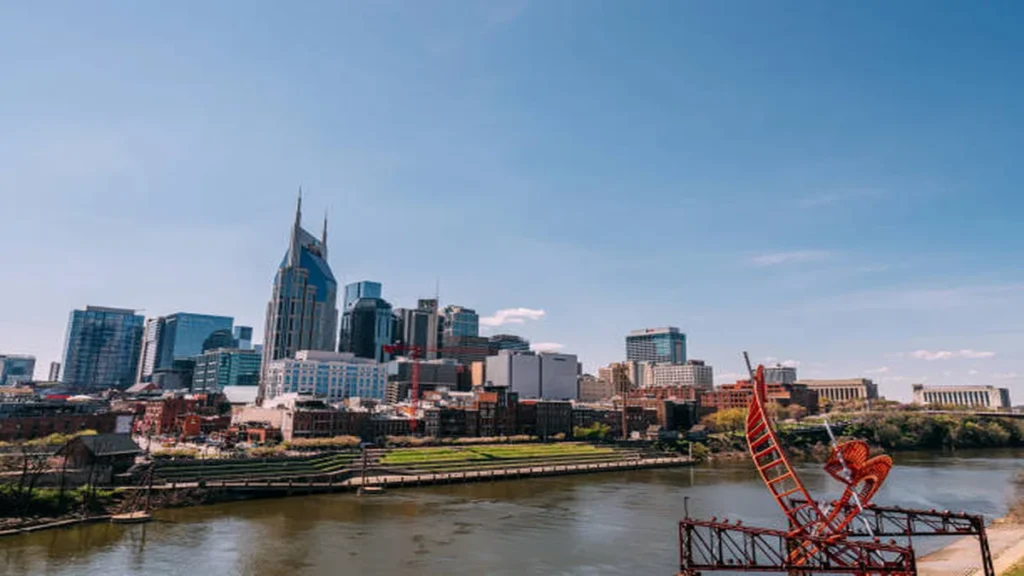
Most first-time visitors spend their whole trip on Broadway, glued to the honky-tonks, and never cross the Cumberland River. That’s the mistake. East Nashville is where the city actually lives — where musicians get coffee before a gig, where a tornado leveled blocks twice and the neighborhood rebuilt itself into something even more itself.
East Nashville is a collection of walkable sub-neighborhoods — Five Points, Lockeland Springs, Inglewood, and more — just across the Cumberland River from downtown Nashville, known for independent restaurants, live music venues, vintage shops, and Shelby Park’s green space. It’s less polished than Broadway and more personal, the kind of place you plan a loose afternoon around and end up staying for dinner.
What Is East Nashville, Exactly?
East Nashville isn’t one neighborhood — it’s a cluster of them, spread across roughly three zip codes on the east bank of the Cumberland River. East Nashville covers three different zip codes and includes the communities of Inglewood, Lockeland Springs, Five Points, East End, Eastwood, Cleveland Park, Historic Edgefield, Rolling Acres, and Shelby Hills.Many of the area’s historic homes date back to the early 1900s, which is part of why the streets feel so different from the newer construction downtown.
If you only have time for one stretch of pavement,make it Five Points — it’s the heartbeat for walking between food, drinks, shops, and people-watching that makes the neighborhood feel alive.
Neighborhood-by-Neighborhood: East Nashville’s Sub-Areas
Guides love listing East Nashville’s sub-neighborhoods by name and calling it a day. That’s not actually useful if you’re trying to decide where to walk or stay, so here’s what each one is actually like:
- Five Points – The commercial core. Restaurants, bars, and shops within a few blocks of each other; the most tourist-friendly and the most crowded on weekends.
- Lockeland Springs – Quieter, residential, historic homes, home to well-regarded restaurants like Lockeland Table just outside the Five Points bustle.
- Fatherland District – A few blocks of independent boutiques, a cluster of small, independently owned shops that feels more like an upscale neighborhood market than a mall.
- Inglewood – Further out, more residential, less foot traffic, popular with people looking to “live like a local” for a few days.
- McFerrin Park – Home to standout restaurants like Mas Tacos Por Favor, transitioning between residential and commercial.
- East End – One of the most walkable pockets; also home to LGBTQ+ community resources including the Music City PrEP Clinic.
- Historic Edgefield – One of Nashville’s oldest neighborhoods, known for preserved Victorian architecture.
Quick takeaway: If walkability and nightlife matter most, base yourself near Five Points or East End. If you want quiet mornings and a short drive to everything, Inglewood or Lockeland Springs.
A Little History (Because It Explains Everything)
East Nashville’s identity is inseparable from disaster and rebuilding. In 1998, a tornado tore through East Nashville, decimating nearly 300 homes and enough trees in Lockeland Springs and Eastwood to fill several football fields — and ironically, it only sped up the neighborhood’s revitalization. Historic homes were restored with insurance money, and the area became more prominent on the rest of the city’s radar.
Then it happened again. In the early morning hours of March 3, 2020, a large and destructive EF3-rated tornado moved through Nashville with winds up to 165 mph, killing five people and causing more than $1.5 billion in damage — the eighth-costliest tornado in U.S. history. Five Points, ground zero for the storm, was known as the home of Nashville’s annual Tomato Art Fest, and it was also ground zero for the 2020 tornado.
Here’s the part most guides skip: the rebuilding conversation has been genuinely contentious. The neighborhood’s population reflects a broad mix of races, ages, ethnicities, and socioeconomic backgrounds, and each of its three zip codes retains its own personality, strengths, and challenges. Longtime residents and community organizers have raised real concerns that disaster recovery money and investment flow disproportionately to already-gentrified pockets like East Nashville rather than harder-hit, lower-income areas nearby. It’s worth knowing this context before you show up expecting a theme-park version of “authentic” Nashville — the authenticity here is layered with real change and real tension, not just murals and tacos.
Where to Eat and Drink
This is what East Nashville does best, and it does it without much pretension. Popular spots span everything from casual to date-night:
- Five Points Pizza – Known for its New York-style pizza, a must-visit for pizza lovers whether you want a classic slice or something more adventurous.
- Mas Tacos Por Favor – A neighborhood institution for tacos, usually with a line.
- Lockeland Table and Margot Café & Bar – Sit-down, chef-driven options for a proper dinner.
- The Pharmacy – Famous for burgers and retro vibes, a great place to relax with friends and enjoy classic American fare.
- Sweet 16th Bakery, Yeast Nashville, and Bongo Java – Coffee and pastries to start the day; Bongo Java is Nashville’s oldest and most honored coffeehouse.
- Porter Road Butcher and High Garden Tea – Worth a stop even if you’re not cooking, just to see how the neighborhood shops for itself.
Quick takeaway: Book your must-try dinner reservation early in the day — weekend tables fill fast — and keep a backup casual option, like a slice at Five Points Pizza, for whenever plans shift.
Bars, Breweries & Live Music
East Nashville nightlife trades Broadway’s neon for something scrappier and more personal. You’ll findThe Basement East, The 5 Spot, Sid Gold’s Request Room, The Bowery Vault, Eastside Bowl, and The Cobra for live music, plus Attaboy, The Red Door Saloon East, Village Pub and Beer Garden, No Quarter, and The Fox Bar and Cocktail Club for a more classic bar crawl. Craft beer fans should head to Southern Grist or Smith and Lentz.
The Basement East, in particular, is worth knowing by name — it took a direct hit in the 2020 tornado and rebuilt as something of a symbol for the neighborhood’s resilience.
Shopping & Vintage Finds
If downtown is for cowboy boots and souvenir shirts, East Nashville is for vintage denim and locally poured candles. The Shoppes on Fatherland are a perfect introduction to the neighborhood’s creative side — expect handmade jewelry, locally poured candles, vintage finds, and art prints you won’t see in big-box stores downtown. Other stops worth a browse: Anaconda Vintage, Hip Zipper Vintage, Old Made Good, Gift Horse, and Apple and Oak. Pick up a jar of spice blends from East Nashville Spice Company while you’re there — it travels well.
Outdoors: Shelby Park, Shelby Bottoms & the Cumberland
Running along the eastern edge of East Nashville is Shelby Park, a 1,000-acre urban greenspace with playgrounds, a dog park, a golf course, and hiking and biking trails. Connected to it is Shelby Bottoms Greenway, just under seven miles of multi-use trails near the Cumberland River, great for walking a dog, clearing your head, or a casual bike ride thanks to its fairly flat terrain. The Shelby Bottoms Nature Center is a good starting point if you want a guided sense of the trail system.
Festivals & Yearly Events
The Tomato Art Fest, held August 7–8, 2026, is East Nashville’s signature event, centered around Five Points and equal parts art fair, food festival, and neighborhood inside joke. The East Nashville Farmers Market runs seasonally and is worth checking even if you’re not buying produce — it doubles as a social scene with prepared-food vendors.
Where to Stay
This is a genuine gap in most guides: East Nashville doesn’t have many hotel options, but there are plenty of homes and apartments available for rent, which let visitors live like locals. If a hotel matters more than character to you, stay downtown and treat East Nashville as a day-and-night excursion instead. If you’d rather have a kitchen and a front porch, a short-term rental near Five Points or Lockeland Springs puts you in walking distance of most of what’s on this list.
A stay of at least two to three days is generally recommended to actually see the neighborhood’s landmarks, culture, and food scene without rushing.
Getting There and Getting Around
East Nashville sits directly across the Cumberland River from downtown — a five-to-ten-minute drive or rideshare, depending on traffic and which bridge you take. Once you’re there, walkability varies block by block. Nashville overall has a fairly low Walk Score of 29, but East Nashville is an exception: the East End section scores 88, the second-most walkable pocket in the entire city, where you can handle most errands and reach several restaurants on foot. Five Points and the Fatherland District are similarly walkable; Inglewood and the outer edges are more car-dependent.
Is East Nashville Safe?
Short answer: yes, for the areas visitors actually spend time in. Most blocks have paved and smooth sidewalks, street lights, and street signs, so you can go for walks at night safely, particularly around Five Points and East End. Like any large urban neighborhood, safety varies more by specific block than by “East Nashville” as a whole — some outer residential streets see less foot traffic and fewer amenities than the walkable core. Standard city-travel habits apply: stick to well-lit main streets at night, don’t leave valuables visible in a parked car, and if you’re renting a short-term stay outside the Five Points/Lockeland Springs core, it’s worth a quick map check of the specific block beforehand.
East Nashville is also notably welcoming to LGBTQ+ visitors —it’s well known for being an LGBTQ-friendly area, home to several notable gay bars and one of the country’s largest LGBTQ+ health centers.
Best Time to Visit East Nashville
April, July, and August are the peak travel months, with mostly sunny weather and light rainfall, while October through December are quieter, with light rainfall and mostly sunny conditions. If you want the neighborhood at its liveliest — patios full, festivals running — aim for late spring through summer. If you’d rather skip the crowds and still get good weather for walking Shelby Bottoms, fall is the better call. January, February, and December tend to bring the lowest accommodation prices if budget is the deciding factor.
East Nashville vs. Other Nashville Neighborhoods
| Neighborhood | Vibe | Best For | Walkability |
|---|---|---|---|
| East Nashville | Creative, independent, residential-meets-commercial | First-timers wanting local flavor, live music, food | High in Five Points/East End, lower toward Inglewood |
| Downtown/Broadway | Honky-tonks, tourist core | Classic “Nashville” energy, first-night visits | High (Walk Score 83) |
| 12 South | Boutique, polished, Instagram-friendly | Shopping-focused day trips | High |
| The Gulch | Upscale, five-star hotels, celeb-spotting | Luxury stays, fine dining | High |
Best Way to Spend a Day in East Nashville: Sample Itinerary
- Morning: Coffee and pastry at Bongo Java or Sweet 16th Bakery, then a walk through Shelby Bottoms Greenway.
- Midday: Browse the Shoppes on Fatherland or Five Points Alley Shops.
- Lunch: Tacos at Mas Tacos Por Favor or a slice at Five Points Pizza.
- Afternoon: Idea Hatchery or Red Arrow Gallery for local art.
- Evening: Dinner at Lockeland Table or Margot Café & Bar.
- Night: Live music at The Basement East or The 5 Spot.
East Nashville rewards an unhurried plan more than a checklist. Pick two or three anchors from this guide, leave the rest of the day open, and let one good meal turn into a longer night than you planned — that’s basically how everyone who lives there ends up doing it too.
Planning the rest of your visit? Browse our complete Nashville travel guide for more ideas.
FAQ Section
Is East Nashville safe for tourists?
Yes, particularly the walkable core around Five Points and East End, which have well-lit sidewalks and heavy foot traffic. Safety varies by specific block on the outer edges, so it’s worth checking the exact address of a short-term rental before booking.
What is East Nashville known for?
Independent restaurants, dive bars and live music venues, vintage shopping, murals, and a creative, walkable community that rebuilt itself after major tornado damage in 1998 and 2020.
Is East Nashville walkable?
The East End section has a Walk Score of 88, the second-most walkable area in the entire city. Five Points and the Fatherland District are similarly easy to explore on foot; neighborhoods further out like Inglewood require a car.
Where should I stay in East Nashville?
Traditional hotels are scarce, so most visitors book short-term home or apartment rentals near Five Points or Lockeland Springs. If a hotel is a must, staying downtown and visiting East Nashville for the day is the more common workaround.
What happened to East Nashville in the tornado?
An EF3 tornado struck on March 3, 2020, hitting Five Points and the surrounding area directly, killing five people citywide and causing over $1.5 billion in damage. It followed an earlier 1998 tornado that also devastated the neighborhood and, ironically, kicked off its long revitalization.
How far is East Nashville from Broadway/downtown?
About a five-to-ten-minute drive or rideshare across the Cumberland River, depending on traffic and bridge.
What’s the best time to visit East Nashville?
April through August for peak energy and sunny weather; October through December for smaller crowds and lower accommodation prices.
How is East Nashville different from 12 South?
East Nashville leans creative and independent with a stronger live-music and dive-bar scene; 12 South is more polished and boutique-focused. Both are walkable, but East Nashville covers more ground across multiple sub-neighborhoods.